
Severe Weather Safety
Severe weather can occur at any time of year and may include thunderstorms, high winds, tornadoes, heavy rain, and power outages. Preparing ahead of time and knowing what to do during severe weather can help reduce the risk of injury and property damage.
Residents are encouraged to stay informed and take appropriate precautions when severe weather is forecast or occurring.
Staying Informed
Timely and accurate information is critical during severe weather events.
- Sign up for Nixle alerts to receive emergency and weather-related notifications
- Monitor local forecasts from trusted sources
- Follow guidance from local emergency management agencies
The most reliable sources for time-sensitive information include:
Local news and radio stations may also provide updates on severe weather conditions, road closures, and emergency information.
Thunderstorms and Lightning Safety
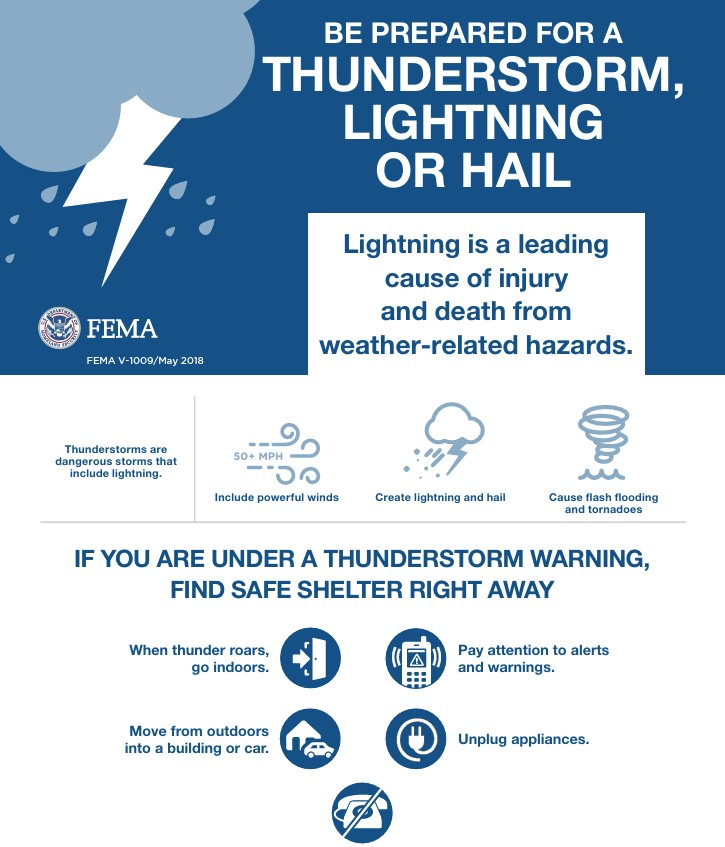
Severe thunderstorms can produce strong winds, lightning, heavy rain, and hail.
- Seek shelter indoors when thunderstorms are nearby
- Stay away from windows and exterior doors
- Avoid using corded electronics during storms
- If outdoors, move to a sturdy building or enclosed vehicle
Tornado and High Wind Safety
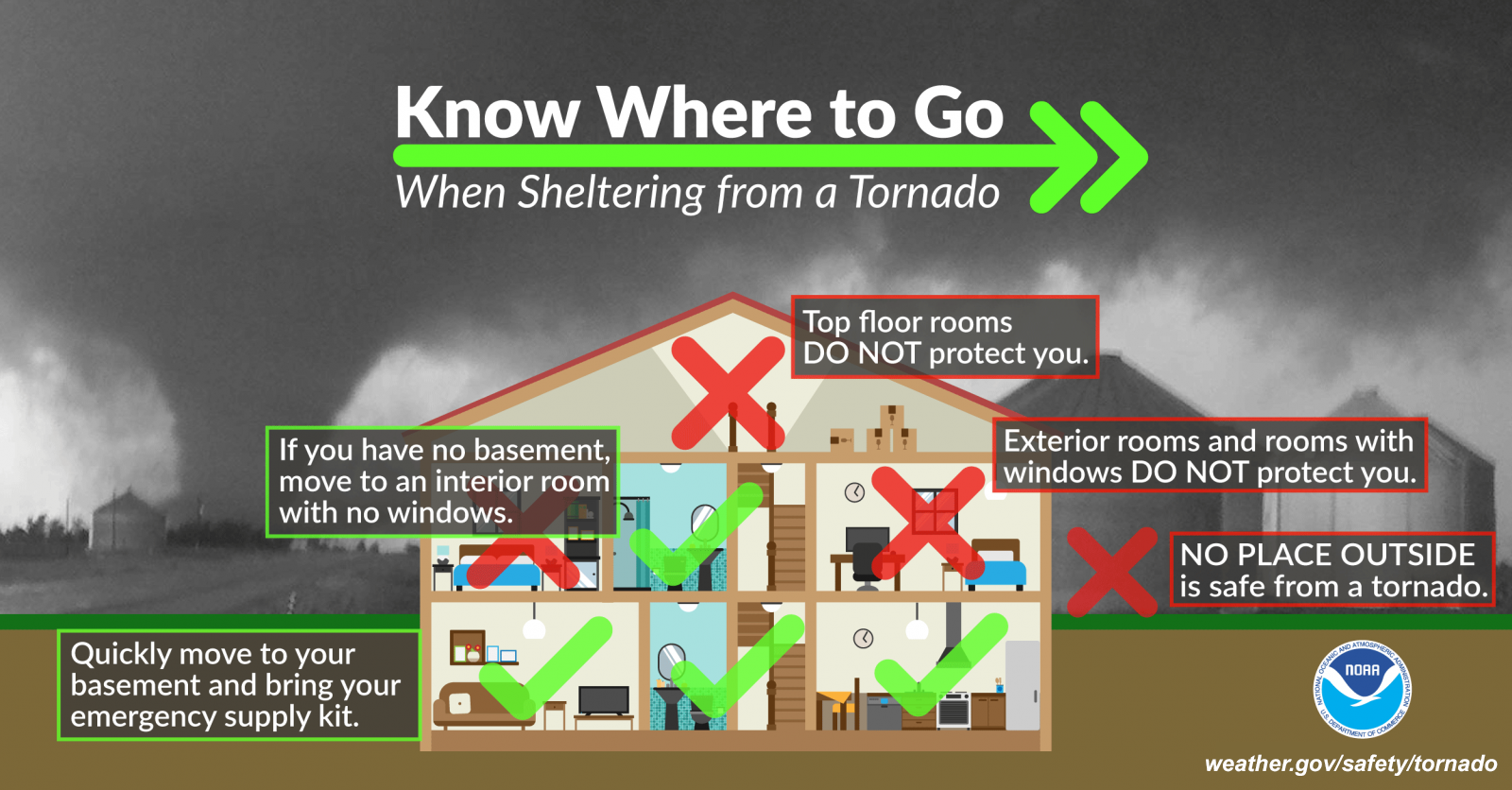
Tornadoes and high winds can develop quickly, sometimes with little warning.
- Move to a basement or interior room on the lowest level of your home
- Stay away from windows and exterior walls
- Use blankets, mattresses, or helmets to protect your head and neck
- If in a mobile home, seek shelter in a sturdy building if time allows
Heavy Rain and Localized Flooding
Heavy rainfall can sometimes lead to localized flooding, especially in low-lying areas or where drainage systems become overwhelmed.
- Avoid driving through flooded streets or low-water crossings
- Turn around if water is covering the roadway
- Stay away from fast-moving water
- Keep storm drains near your property clear of debris when safe to do so

Power Outage Safety
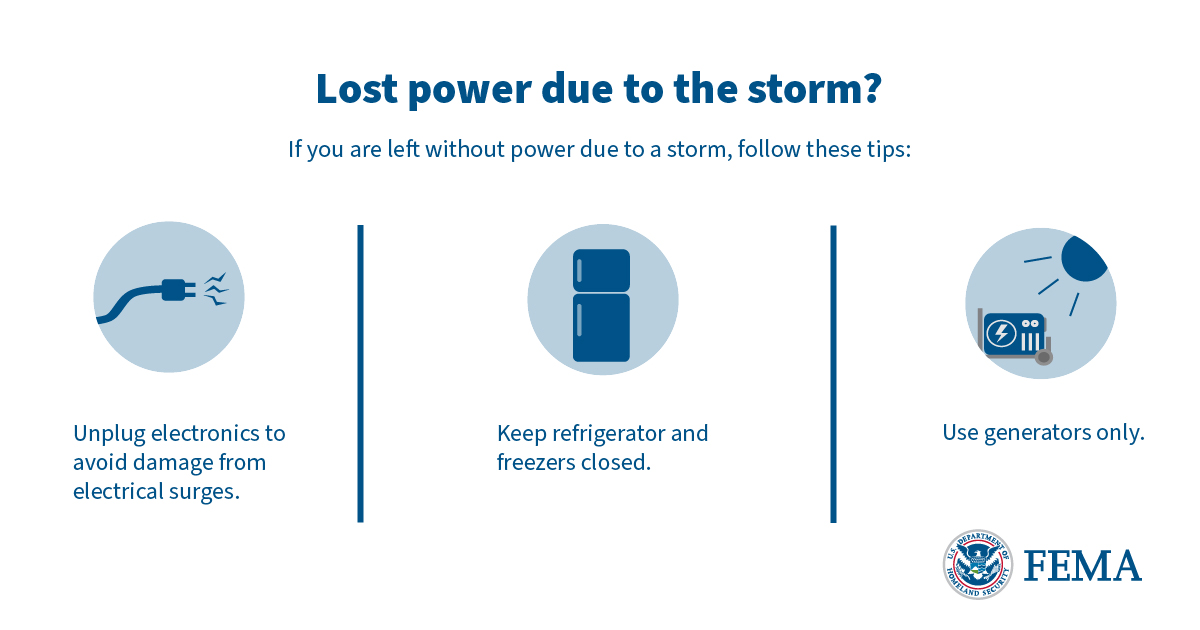
Severe weather can result in temporary power outages.
- Keep flashlights and batteries readily available
- Avoid using candles when possible
- Keep refrigerator and freezer doors closed to preserve food
- Never use generators, grills, or outdoor heaters indoors
Residents should report outages directly to their utility provider.
After Severe Weather
Once severe weather has passed, continue to use caution.
- Watch for downed power lines and report them immediately
- Avoid debris and damaged structures
- Check on neighbors who may need assistance
- Follow local guidance regarding clean-up and safety
Additional Resources
Additional severe weather preparedness information, including emergency supply checklists, is available through trusted partners such as:
The City of Mt. Vernon may share updates when available; however, Nixle alerts and local emergency management agencies remain the primary sources for critical and time-sensitive information.
Contact Us
1100 Main Street
Mount Vernon IL 62864
See on map: Google Maps
Phone: (618) 242-5000
Email: cityhall@mtvernon.com
Office Hours
Monday - Friday
8 a.m. - 5 p.m.